
What Causes Recurrent Shoulder Dislocations?
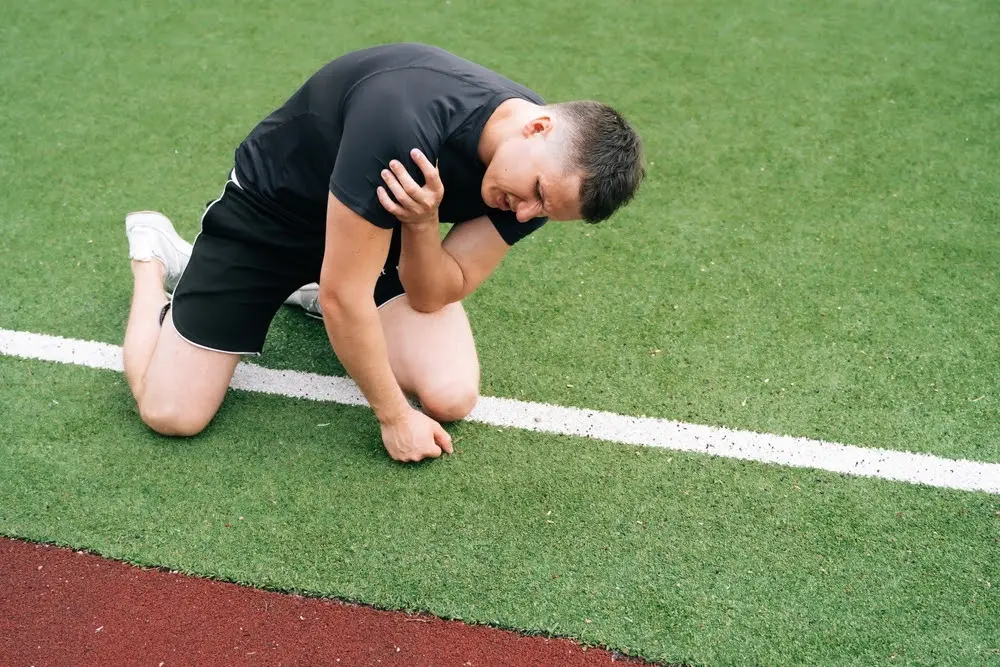
A shoulder dislocation can be a painful and alarming experience. One moment, you’re reaching overhead, diving for a ball, or bracing yourself during a fall, and the next, your shoulder feels unstable, out of place, and intensely painful. For many people, a dislocation is a one-time injury. But for others, it becomes a recurring problem.
Recurrent shoulder dislocations can interfere with sports, physically demanding jobs, sleep, and even routine daily activities like reaching for an object on a shelf. Over time, repeated instability may create weakness, a limited range of motion, and anxiety about certain movements. When you can understand why shoulder dislocations continue to happen, you can have greater success at preventing further joint damage and restoring long-term stability.
Initial Traumatic Injury
For many individuals, recurrent shoulder dislocations begin with a single traumatic event. This initial injury often occurs during:
- Contact sports, such as football or hockey
- Overhead sports like basketball or volleyball
- Falls onto an outstretched arm
- Car accidents or high-impact trauma
The shoulder joint is highly mobile, which allows for a wide range of motion, but this mobility also makes it vulnerable to instability. When a dislocation occurs, the head of the upper arm bone (humerus) is forced out of the shoulder socket (glenoid). This can stretch or tear important stabilizing structures, including ligaments and the labrum.
Even after the shoulder is put back into place, the supporting tissues may remain weakened or damaged. And without proper healing and strengthening, the joint may be more susceptible to future dislocations.
Ligament Laxity and Joint Hypermobility
Some individuals are naturally more flexible than others. While flexibility can be beneficial in certain activities, excessive ligament laxity (or looseness) can compromise joint stability.
Ligaments are bands of connective tissue that help hold bones together. In people with joint hypermobility, these ligaments may be more elastic than usual. This can make the shoulder joint less stable, increasing the risk of dislocation.
Ligament laxity may be:
- Genetic
- Associated with connective tissue disorders
- More common in younger individuals
- Seen in athletes who require an extreme range of motion
When ligament laxity is present, even minor trauma or repetitive movements can cause the shoulder to slip partially (subluxation) or fully dislocate. Identifying underlying hypermobility is an important part of diagnosing recurrent instability.
Labral Tears and Structural Damage
The labrum is a ring of cartilage that surrounds the shoulder socket. It deepens the socket and helps stabilize the joint. During a dislocation, the labrum can tear — most commonly in a pattern known as a Bankart lesion.
When the labrum is damaged, the shoulder loses one of its primary stabilizers. This makes it easier for the humeral head to slide out of position again.
In addition to labral tears, repeated dislocations can cause:
- Bone loss from the glenoid
- Compression fractures of the humeral head (Hill-Sachs lesions)
- Ligament damage
Structural damage like these compounds the instability problem. With each additional dislocation, the risk of further injury increases. Early evaluation and imaging can help determine the extent of damage and guide appropriate treatment.
Inadequate Rehabilitation After the First Dislocation
One of the most preventable causes of recurrent shoulder dislocations is incomplete or insufficient rehabilitation after the initial injury.
After a first dislocation, the shoulder requires:
- Time to heal
- Targeted strengthening exercises
- Gradual return to activity
- Restoration of proper movement patterns
Skipping physical therapy or returning to sports too quickly can leave the joint underprepared for the demands placed upon it.
Structured rehabilitation focuses on strengthening the rotator cuff muscles and surrounding stabilizers. These muscles act as dynamic supports for the shoulder joint, helping maintain alignment during movement.
Without proper strengthening, even minor stress can trigger another dislocation. Working with experienced physical therapy specialists significantly reduces this risk.
Participating in High-Risk Activities and Sports
Certain activities place repeated stress on the shoulder joint, increasing the risk of instability, especially after an initial injury.
High-risk activities include:
- Football, wrestling, and rugby
- Baseball pitching
- Swimming
- Volleyball and tennis
- Gymnastics
- Weightlifting
Overhead and contact sports are particularly demanding on the shoulder. Repetitive motions can gradually stretch ligaments and strain stabilizing structures.
For athletes and physically active individuals, proper conditioning, technique training, and ongoing strengthening are essential components of prevention.
Treatment Options for Recurrent Shoulder Dislocations
The appropriate treatment for recurrent shoulder dislocations depends on several factors, including age, activity level, severity of instability, and the presence of structural damage.
Non-Surgical Treatment
In some cases, conservative shoulder treatment may be effective. This may include:
- Physical therapy to strengthen stabilizing muscles
- Activity modification
- Bracing during sports or high-risk activities
- Gradual return-to-play protocols
Non-surgical management is often considered for individuals with mild instability or lower activity demands.
Surgical Stabilization
When instability persists or structural damage is significant, surgery may be recommended. Advanced surgical stabilization procedures are designed to repair damaged tissues and restore joint stability.
Common procedures include:
- Arthroscopic labral repair
- Capsular tightening
- Bone grafting procedures in cases of significant bone loss
At Philadelphia Hand to Shoulder Center, our shoulder pain specialists use advanced techniques tailored to each patient’s specific condition. The goal is not only to prevent future dislocations but also to restore full function and allow patients to return to their desired activities safely.
The Importance of an Expert Evaluation
Recurrent shoulder dislocations can lead to progressive joint damage, arthritis, and long-term functional limitations if left untreated. Partnering with an experienced shoulder specialist is essential for:
- Accurate diagnosis
- Advanced imaging and evaluation
- Personalized treatment planning
- Coordinated surgical and rehabilitation care
- Long-term joint protection
Philadelphia Hand to Shoulder Center is committed to delivering high-quality outcomes through research-driven treatment and patient-centered care. Our multidisciplinary team works closely with each individual to develop a plan that supports recovery and prevents recurrence.
Take the First Step Toward Stability
You do not have to live with the fear of your shoulder “popping out” again. With proper evaluation and treatment, long-term stability and confidence are achievable.
If you are experiencing repeated shoulder dislocations or ongoing instability, contact Philadelphia Hand to Shoulder Center today. With convenient locations throughout the Greater Philadelphia area, expert care is always within reach.
Recent Comments