
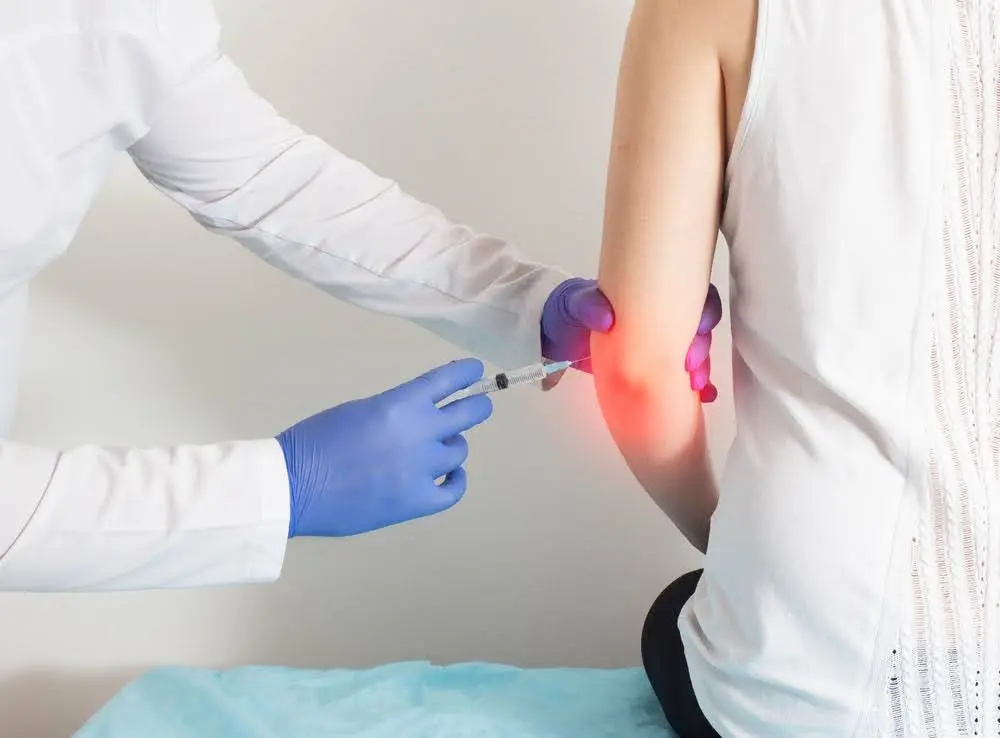
PRP vs. Cortisone for Tennis Elbow: Which Works Better?
If you’ve ever felt that sharp, searing pain on the outside of your elbow when you reach for a coffee mug or shake hands with a colleague, you know exactly how debilitating tennis elbow can be. Formally known as lateral epicondylitis, this condition is notorious for its persistence. You try resting it for a week, then two, and maybe you even buy that forearm strap everyone recommends, but the moment you get back to your routine, the ache returns.
When rest, ice, and over-the-counter remedies don’t provide relief, many patients begin exploring more advanced treatment options. It’s at that point we hear a common question: Which works better — PRP therapy or cortisone injections?
Let’s take a closer look at how these treatments work and how they differ so that you can determine if one of these options may be your ticket to recovery.
What Is Tennis Elbow?
Tennis elbow (or lateral epicondylitis) is a condition caused by overuse of the forearm muscles and tendons. It occurs when tiny tears develop in the tendon that connects the forearm muscles to the outer part of the elbow. Over time, these microtears can lead to pain, inflammation, and weakness.
Despite its name, you don’t have to play tennis to develop it. In fact, many cases are linked to repetitive motions such as typing, painting, lifting, or using tools.
Common symptoms of tennis elbow include:
- Pain or burning on the outside of the elbow
- Weak grip strength
- Discomfort when lifting or gripping objects
- Pain that worsens with repetitive activity
While mild cases may improve with rest and physical therapy, more persistent cases often require targeted treatments like injections to reduce pain and promote healing.
What Is Cortisone Treatment?
Cortisone injections have long been a go-to treatment for tennis elbow and other inflammatory conditions. This is because cortisone is a powerful anti-inflammatory medication that is injected directly into the affected area. It works incredibly fast, often providing relief in just a few days.
Benefits of Cortisone Injections
- Fast-acting pain relief
- Minimally invasive
- Can improve function in the short term
- Widely available and well understood
Limitations to Consider
While cortisone injections can be very effective for treating tennis elbow in the short term, they don’t address the underlying tendon damage. In some cases, repeated injections may even weaken the tendon over time, potentially increasing the risk of further injury.
For this reason, cortisone is often best suited for patients seeking temporary relief, such as when pain is severe or interfering with daily life.
What Is PRP Therapy?
Platelet-rich plasma (PRP) therapy is a more advanced, regenerative treatment that uses your body’s own healing properties to repair damaged tissue.
PRP therapy begins with a small blood draw. The blood is then processed in a centrifuge to concentrate the platelets (components rich in growth factors that promote healing). This concentrated plasma is then injected into the injured tendon.
Benefits of PRP Therapy
- Promotes natural healing of the tendon
- Addresses the root cause of the condition
- May provide longer-lasting relief
- Uses your body’s own biological material
What to Expect
Unlike cortisone, PRP does not provide immediate relief. In fact, patients may experience some increased soreness initially as the healing process begins. However, over time, many patients notice gradual improvement as the tendon repairs itself.
PRP is particularly appealing for individuals looking for a long-term solution rather than a quick fix.
Comparing PRP vs. Cortisone Treatment: Key Differences
When deciding between PRP and cortisone injections, it’s important to understand how they differ in terms of goals, outcomes, and timelines.
Purpose of Treatment
- Cortisone: Focuses on reducing inflammation and relieving pain
- PRP: Aims to heal and regenerate damaged tendon tissue
Speed of Results
- Cortisone: Fast relief, often within days
- PRP: Gradual improvement over weeks to months
Duration of Effectiveness
- Cortisone: Short-term relief; symptoms may return
- PRP: Potential for longer-lasting results due to tissue healing
Impact on Tendons
- Cortisone: May weaken tendons with repeated use
- PRP: Supports tissue repair and strengthening
Ideal Candidates
- Cortisone: Patients needing immediate pain relief
- PRP: Patients seeking long-term recovery and improved function
In many cases, the choice between these treatments depends on your goals, the severity of your condition, and how long you’ve been experiencing symptoms.
Which Option Is Right for You?
The choice between PRP therapy and cortisone injections for tennis elbow depends on several factors, including your lifestyle, activity level, and how your condition has responded to previous treatments.
If you’re dealing with severe pain that’s limiting your daily activities or physical therapy, a cortisone injection may provide the quick relief you need to get back on track. However, if your symptoms have been lingering for months and you’re looking for a more lasting solution, PRP therapy may be the better choice.
It’s also worth noting that these treatments are not mutually exclusive. In some cases, a comprehensive treatment plan may include a combination of therapies, such as physical therapy, bracing, activity modification, and injections.
At Philadelphia Hand to Shoulder Center, our elbow specialists take a personalized approach to care. By evaluating your specific condition, medical history, and treatment goals, we can recommend the most effective path forward, whether that involves PRP therapy, cortisone injections, or another advanced option.
Find the Right Treatment Option for Tennis Elbow at Philadelphia Hand to Shoulder Center
Living with tennis elbow doesn’t have to be your new normal. With the right treatment plan, it’s possible to reduce pain, restore function, and get back to the activities you enjoy.
If you’re unsure whether PRP or cortisone is the right choice for you, the experienced team at Philadelphia Hand to Shoulder Center is here to help. Our specialists stay at the forefront of orthopedic care and can offer innovative treatments tailored to each patient’s needs.
Schedule a consultation today to explore your options and take the first step toward lasting relief.
Recent Comments