
Physical Therapy for Tennis Elbow: A Guide to Recovery
Tennis elbow, medically known as lateral epicondylitis, often begins as a mild ache on the outside of the elbow. At first, you may only notice it when typing at your computer, lifting a grocery bag, gripping tools at work, or playing your favorite sport. Over time, however, that discomfort can intensify, making simple, everyday tasks increasingly painful. Without proper treatment, symptoms may persist or worsen, leading to chronic pain and decreased strength.
If you want to avoid further complications, consider physical therapy. As one of the most effective non-surgical treatment options for tennis elbow, this rehabilitative therapy program can relieve pain, restore strength, improve flexibility, and significantly reduce the risk of recurrence.
Interested in learning more about physical therapy and how it can help relieve tennis elbow symptoms? Take a look at our comprehensive guide!
Understanding Tennis Elbow and Why Physical Therapy Matters
Tennis elbow affects the tendons that connect the forearm muscles to the lateral epicondyle, the bony prominence on the outer side of the elbow. Repetitive gripping, lifting, wrist extension, and twisting motions can create tiny tears in these tendons. Over time, these microtears cause inflammation, pain, and weakness.
Despite its name, tennis elbow is not limited to athletes. It commonly affects:
- Office workers who type frequently
- Tradespeople who use hand tools
- Healthcare professionals
- Parents lifting children
- Anyone performing repetitive arm movements
While rest and short-term pain relief methods may temporarily ease symptoms, they often do not address the underlying tendon damage. This is where physical therapy can be beneficial. It plays a critical role in long-term healing by:
- Promoting proper tendon repair
- Strengthening surrounding muscles
- Correcting movement patterns
- Improving flexibility
- Reducing strain on the elbow joint
Most importantly, structured rehabilitation helps ensure that the tendon heals properly, rather than simply masking pain.
Initial Evaluation and Personalized Treatment Planning
At Philadelphia Hand to Shoulder Center, every recovery journey begins with a comprehensive evaluation. When you come to us for physical therapy for your tennis elbow, our upper extremity specialists will assess several important factors, including:
- Range of motion in the elbow and wrist
- Grip strength
- Pain location and severity
- Activity level and occupational demands
- Contributing ergonomic or biomechanical issues
By understanding how your condition developed, we can create a customized therapy plan tailored to your lifestyle and goals. Whether you are an athlete eager to return to competition or a professional looking to remain productive at work, your treatment strategy will reflect your specific needs.
Key Physical Therapy Techniques for Tennis Elbow Recovery
Physical therapy for tennis elbow is multifaceted. Below are some of the primary components commonly included in a rehabilitation program.
Stretching Exercises to Improve Flexibility
Gentle stretching exercises help improve flexibility in the forearm muscles and reduce tension on the injured tendon. These stretches are designed to gradually lengthen tight tissues, improving overall joint mobility.
Consistent stretching can:
- Decrease stiffness
- Improve range of motion
- Reduce strain during daily activities
Your therapist will guide you through safe, controlled stretching routines and may provide a home exercise program to maintain progress.
Eccentric Strengthening Exercises
Eccentric exercises focus on strengthening muscles while they lengthen under tension. Research has shown that eccentric strengthening is particularly effective in promoting tendon healing.
These exercises:
- Stimulate tendon repair
- Improve muscle endurance
- Reduce pain over time
- Enhance overall arm strength
Eccentric strengthening is introduced gradually and carefully progressed to avoid overloading the healing tendon.
Manual Therapy Techniques
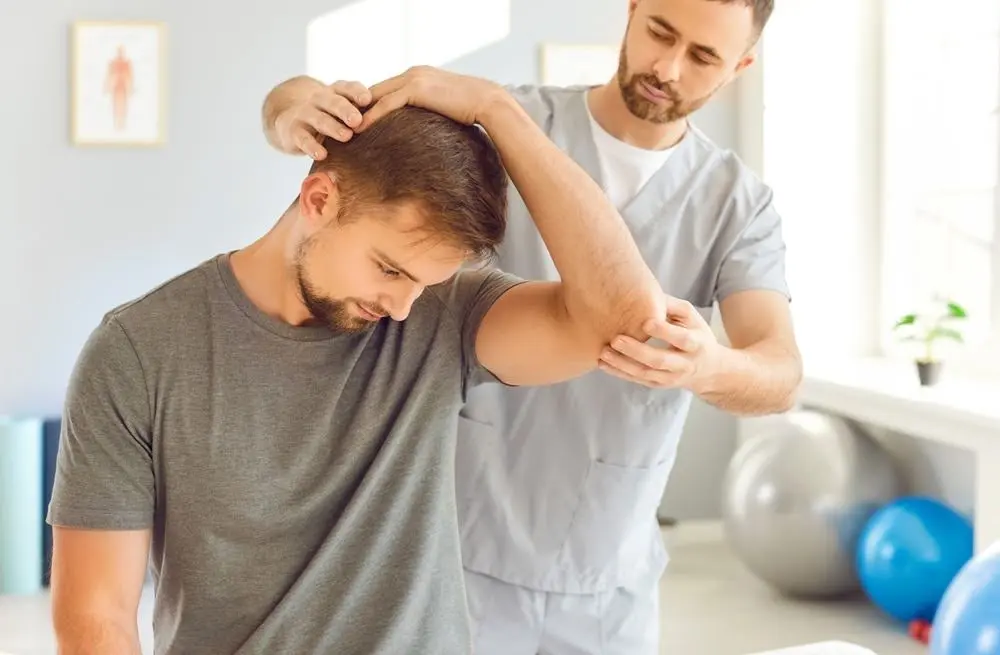
Manual therapy involves hands-on techniques performed by trained therapists to improve joint and soft tissue mobility. Techniques may include:
- Soft tissue mobilization
- Joint mobilization
- Myofascial release
These methods can help reduce elbow pain, improve circulation, and restore proper movement patterns in the elbow and surrounding structures.
Modalities for Pain and Inflammation Management
In addition to exercises, certain therapeutic modalities may be used to manage pain and inflammation, especially in the early stages of treatment. These may include:
- Ice or heat therapy
- Ultrasound therapy
- Electrical stimulation
These tools are used strategically to complement active rehabilitation, not replace it.
Ergonomic and Activity Modifications
Addressing contributing factors is a critical part of recovery. Poor posture, improper lifting technique, and repetitive strain often play a role in the development of tennis elbow. With this in mind, your therapy program may include:
- Ergonomic recommendations for your workstation
- Technique adjustments for sports
- Modifications to daily tasks
- Guidance on gradual return to activity
These adjustments help protect the elbow and prevent future strain.
How Long Does Recovery Take?
Recovery timelines for tennis elbow vary depending on the severity of the condition and how early treatment begins. Many patients notice improvement within several weeks of consistent therapy, while more advanced cases may require several months of rehabilitation.
Key factors influencing recovery include:
- Adherence to prescribed exercises
- Consistency in therapy sessions
- Avoiding aggravating activities
- Following ergonomic recommendations
Patience and consistency are essential. Stopping therapy prematurely or returning too quickly to high-strain activities can delay healing.
Preventing Recurrence After Physical Therapy
Successful recovery doesn’t end when pain subsides. Long-term prevention strategies are essential for maintaining elbow health.
To reduce the risk of recurrence:
- Continue strengthening exercises regularly.
- Maintain flexibility through stretching.
- Use proper lifting and gripping techniques.
- Take frequent breaks during repetitive tasks.
- Adjust workstations to promote proper posture.
- Warm up before sports or physical activity.
By integrating these habits into daily life, many patients can avoid future flare-ups and maintain strong, healthy elbows.
Partner With Our Orthopedic Specialists for Effective Recovery
Tennis elbow may start as a minor inconvenience, but without proper treatment, it can become a persistent and frustrating condition. Partnering with an experienced upper extremity specialist and coordinated rehabilitation team makes a meaningful difference in recovery outcomes.
At Philadelphia Hand to Shoulder Center, our commitment to research, education, and quality patient outcomes drives everything we do. We combine advanced diagnostic expertise with evidence-based physical therapy programs to deliver comprehensive, patient-centered care.
If you’re experiencing persistent elbow pain, know that we have your back.
Contact our elbow specialists today to schedule an evaluation and begin a personalized physical therapy program designed to restore strength, relieve pain, and help you return confidently to the activities you enjoy.
Recent Comments