

Carpal Tunnel Syndrome vs. Cervical Radiculopathy
Have you ever felt pain, numbness, or tingling in your hand, wrist, thumb, or first two fingers? These uncomfortable and often disruptive sensations are often signs of an underlying medical condition, and two of the most common culprits are carpal tunnel syndrome and cervical radiculopathy.
Because their symptoms can feel so similar, it’s easy to get them confused. So, how do you know which condition you might have, and which treatment options will be best for relieving your symptoms?
Below, our hand and wrist specialists break down the key differences between carpal tunnel syndrome and cervical radiculopathy, explain how each condition is diagnosed, and outline treatment options to help you feel better.
What Is Carpal Tunnel Syndrome?
Carpal tunnel syndrome is a very common condition that affects the median nerve that runs from your forearm into the palm of your hand and provides sensation to your thumb, index finger, middle finger, and part of your ring finger. This nerve passes through a narrow passageway in your wrist called the carpal tunnel. When the tissues, such as ligaments and tendons, surrounding the nerve become swollen or inflamed, they can put pressure on the median nerve. This pressure then causes the classic symptoms of carpal tunnel syndrome.
It’s important to note that carpal tunnel can be caused by a variety of factors, including the anatomy of your wrist, underlying health problems like diabetes or rheumatoid arthritis, and repetitive hand and wrist movements. This means that the condition has the potential to affect anyone, young or old.
Symptoms of Carpal Tunnel Syndrome
The symptoms of carpal tunnel syndrome typically develop gradually and can vary in intensity. You might notice them more at night or when you first wake up. With that in mind, here are the most common symptoms of this condition:
- Numbness, Tingling, or Burning: This sensation is most often felt in the thumb, index, middle, and ring fingers. Many people describe it as a “pins and needles” feeling.
- Shock-Like Sensations: Some individuals experience occasional shooting pain that runs to the thumb and fingers.
- Pain Radiating Up the Arm: The pain or tingling can sometimes travel from your wrist up your forearm toward your shoulder.
- Hand Weakness and Clumsiness: You might find it difficult to perform tasks that require fine motor skills, like buttoning a shirt or writing. A weakened grip or loss of sensation can also cause you to unexpectedly drop things.
What Is Cervical Radiculopathy?
Cervical radiculopathy, often referred to as a pinched nerve, is a condition that occurs when a nerve root in your neck (the cervical spine) becomes compressed or irritated. These nerve roots branch off from the spinal cord and travel down to your shoulders, arms, and hands, which is why you may experience numbness, tingling, or pain in your wrists and hands like those with carpal tunnel syndrome.
This form of nerve compression can happen for several reasons. In younger individuals, it might be due to a herniated disc that pushes on the nerve. In older adults, it’s more commonly caused by degenerative changes in the spine, such as arthritis or bone spurs (osteophytes), which can narrow the openings where the nerve roots exit the spinal column.
Symptoms of Cervical Radiculopathy
The symptoms of cervical radiculopathy can overlap with those of carpal tunnel syndrome, but there are key differences. The most significant is that the pain typically originates in the neck and radiates outward.
Therefore, the most common symptoms of cervical radiculopathy include:
- Pain Starting in the Neck: A sharp or burning pain that starts in the neck and travels down the shoulder and into the arm and hand.
- Numbness and Tingling: These sensations can occur in the fingers or hand, but their specific location depends on which cervical nerve root is affected.
- Muscle Weakness: You might notice weakness in your arm, shoulder, or hand muscles that affects your ability to lift or grip objects.
- Loss of Sensation: In some areas of the arm or hand, you might experience a reduced sense of touch.
- Worsening Pain With Neck Movement: Certain movements, like turning your head or bending your neck, can intensify the pain associated with cervical radiculopathy.
How Orthopedic Specialists Tell the Difference Between Carpal Tunnel Syndrome and Cervical Radiculopathy
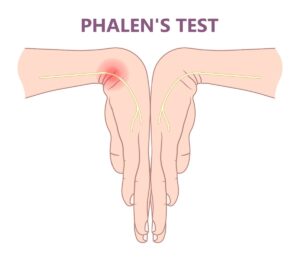
Because CTS and cervical radiculopathy share overlapping symptoms, proper diagnosis is critical. For this reason, our orthopedic specialists perform comprehensive exams and nerve studies when patients complain of hand and wrist pain or numbness. For example, we might perform a Tinel’s test (tapping on the median nerve at the wrist), Phalen’s maneuver (having you flex your wrist), or a Spurling test (having you turn your head to the affected side) to see if these actions trigger any symptoms.
If your doctor suspects you have carpal tunnel syndrome or cervical radiculopathy, they may order electromyography (EMG) or nerve conduction studies (NCS) to confirm the diagnosis. These tests measure the electrical activity of your nerves and muscles to determine if a nerve is functioning properly. They can also pinpoint the exact location of the nerve compression, whether it’s in your wrist or your neck.
Wrist Treatment Options for CTS and Cervical Radiculopathy
Once a diagnosis is confirmed, your doctor will recommend a treatment plan tailored to your specific condition.
For carpal tunnel syndrome, treatment often starts with non-surgical therapies, like wrist splinting (especially at night), modifying activities, and using anti-inflammatory medications or corticosteroid injections. If symptoms are severe or don’t improve, a minor surgical procedure called a carpal tunnel release may be recommended to relieve pressure on the nerve.
For cervical radiculopathy, conservative treatments are also the first line of defense. These solutions often include physical therapy, medications to reduce pain and inflammation, or epidural steroid injections. If these methods don’t provide relief, spine surgery may be an option to decompress the affected nerve root in the neck.
Get an Accurate Diagnosis From Philadelphia Hand to Shoulder Center
As you can see, it can be challenging to know if you’re suffering from carpal tunnel syndrome or cervical radiculopathy without a proper diagnosis from a certified professional. So, if you’re having trouble with pain or numbness in your hand, contact our orthopedic specialists for a comprehensive examination. Our experts are dedicated to diagnosing and treating conditions of the hand, wrist, arm, elbow, and shoulder and will help you determine how to get back to a pain-free life.
Recent Comments